Product details description
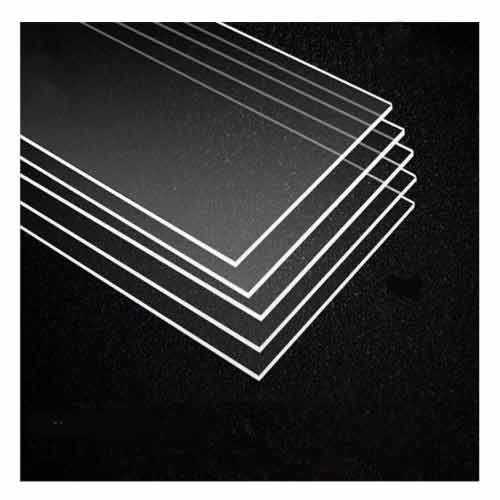
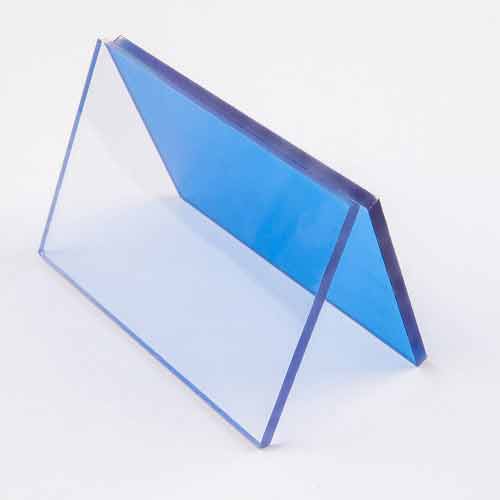
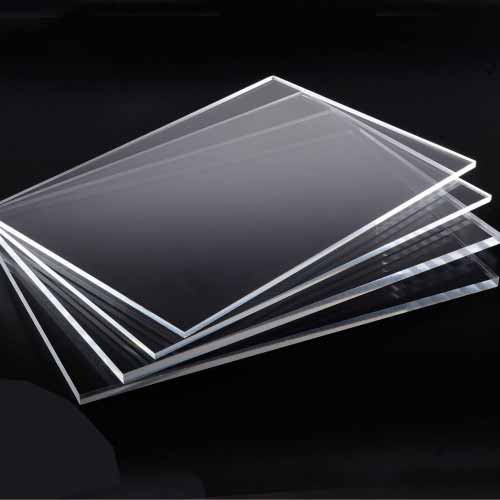
Acrylic sheets, also known as plexiglass, are popular for their clarity,
lightweight, and impact resistance, making them a versatile material in
applications ranging from windows and displays to signage and furniture.
However, acrylic is prone to scratches and cloudiness if not cleaned and
maintained properly, which can compromise its appearance and performance. Proper
care involves using the right cleaning products, following correct techniques,
and implementing preventive measures to protect the surface. Understanding how
to clean and maintain acrylic sheets effectively is essential for preserving
their clarity and extending their lifespan.
The first step in cleaning acrylic sheets is to prepare the surface to
avoid scratching. Before applying any cleaning solution, remove loose dust,
dirt, and debris using a soft, lint-free cloth or a feather duster. Avoid using
dry paper towels, cotton rags, or abrasive materials, as these can scratch the
acrylic surface. For stubborn debris, gently rinse the sheet with lukewarm water
to loosen the particles. Never wipe a dry acrylic surface, as the friction
between the cloth and embedded debris can cause fine scratches that accumulate
over time, leading to cloudiness. Taking the time to prepare the surface ensures
that the cleaning process does not damage the acrylic.
Choosing the right cleaning solution is critical for avoiding damage to
acrylic sheets. Mild, non-abrasive cleaners are the best choice—opt for a
solution of mild dish soap and lukewarm water, which effectively removes dirt
and grime without harming the acrylic. Avoid harsh chemicals such as ammonia,
bleach, acetone, or window cleaners containing alcohol, as these can dissolve or
etch the acrylic surface, causing cloudiness, discoloration, or permanent
damage. For tougher stains, use a specialized acrylic cleaner that is
specifically formulated to be gentle on the material. Always test the cleaning
solution on a small, inconspicuous area of the sheet first to ensure it does not
cause any adverse effects.
Using the correct cleaning technique is just as important as choosing the
right products. When wiping the acrylic sheet, use a soft, microfiber or
lint-free cloth and apply gentle, circular motions. Avoid applying excessive
pressure, as this can cause scratches or distort the surface. Rinse the sheet
thoroughly with clean lukewarm water after cleaning to remove any soap residue,
which can leave streaks or a cloudy film. Dry the sheet immediately with a
clean, dry lint-free cloth to prevent water spots. For large acrylic surfaces,
work in small sections to ensure the surface does not dry before you can rinse
and dry it, which can lead to streaking.
Preventive maintenance is key to avoiding scratches and cloudiness in
acrylic sheets over the long term. Apply a protective coating or polish
specifically designed for acrylic to create a barrier against scratches and UV
damage. UV-resistant coatings also help prevent yellowing, which is a common
issue with acrylic exposed to sunlight. Use felt pads or rubber bumpers on
objects that come into contact with the acrylic, such as furniture legs or
display items, to reduce friction and prevent scratches. Avoid placing acrylic
sheets in areas where they are likely to be hit by hard objects or exposed to
excessive heat, which can cause warping. Regular inspection and prompt cleaning
of spills or debris further protect the acrylic surface, ensuring it remains
clear and in good condition for years to come.
Previous article:
Mirror Finish Acrylic Sheets - Reflective Surfaces for Decor
Next article:
Acrylic Sheets in Aquariums: Why They’re Safe for Fish and Long-Lasting