From Concept to Reality: Acrylic Sheets Design in Modern Architecture and Art
Release time:2026-03-13 Click:4
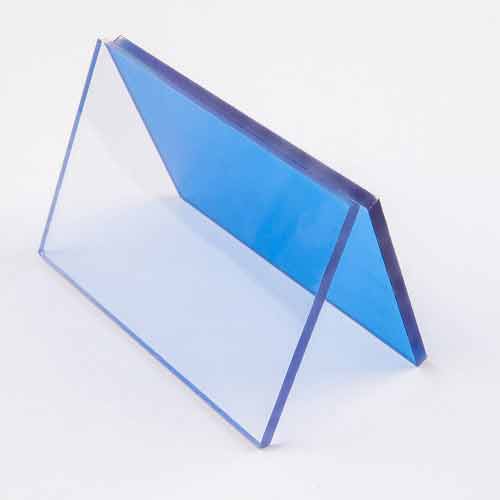
Transparency, versatility, and luminosity define the role of acrylic sheets design in contemporary creative fields—from museum displays and retail signage to kinetic sculptures and smart home interfaces. Unlike glass, acrylic (polymethyl methacrylate or PMMA) offers half the weight, ten times the impact resistance, and seamless thermoforming capabilities that unlock complex geometries.
Designers leverage acrylic sheets design for both aesthetic and functional innovation. Laser cutting enables intricate patterns; CNC routing creates 3D reliefs; and edge polishing produces crystal-clear finishes that refract light like prisms. Tinted, frosted, mirrored, or LED-backlit variants expand expressive potential across interior and exterior applications.
Structural considerations are critical. While acrylic sheets design excels in non-load-bearing roles, engineers must account for thermal expansion (7–9 times that of glass) and creep under sustained load. Proper framing with oversized holes and flexible gaskets accommodates movement, preventing stress cracks in fa?ades or skylights.
Sustainability is advancing. Recycled-content acrylic (e.g., Altuglas? Greenline) and bio-based alternatives reduce carbon footprint. End-of-life options include mechanical recycling into new sheets or chemical depolymerization back to monomer—closing the loop in circular design.
Maintenance is simple but specific. Clean with pH-neutral solutions and microfiber cloths; avoid ammonia-based cleaners that cause crazing. UV-stabilized grades resist yellowing for over a decade outdoors, making them ideal for bus shelters, greenhouses, or solar diffusers.
Acrylic sheets design bridges art and engineering. It transforms light into form, space into experience, and vision into tangible reality—proving that clarity isn’t just visual, but conceptual.
Previous article:Brightening Spaces with Transparent Acrylic Panels
Next article:no more
Hot products
Mobile: +86 15369215227
Email:metalproducts2022@163.com
Email:1626757181@qq.com