Brightening Spaces with Transparent Acrylic Panels
Release time:2026-03-12 Click:5
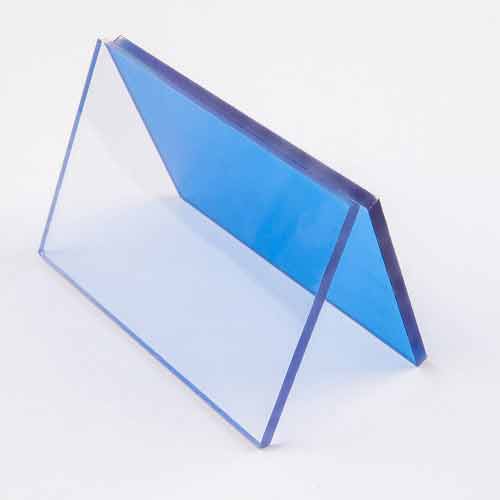
Acrylic panels have revolutionized architectural and design applications by offering exceptional clarity, durability, and versatility that surpasses traditional glass in numerous scenarios. These transparent thermoplastic sheets are manufactured through polymerization of methyl methacrylate, creating a material with optical clarity reaching up to ninety-three percent light transmission—superior to many glass formulations. Beyond their visual brilliance, acrylic panels provide significant advantages in impact resistance, being up to seventeen times stronger than glass of equivalent thickness while weighing only half as much. This combination of strength and lightness has made acrylic panels indispensable in applications ranging from protective barriers and skylights to retail displays and aquarium installations. Designers and architects increasingly specify acrylic panels when seeking materials that balance aesthetic elegance with practical performance requirements.
The manufacturing process for quality acrylic panels involves sophisticated extrusion or cell casting techniques that determine the final material characteristics and performance properties. Extruded acrylic is produced by forcing molten polymer through shaped dies, creating panels with consistent thickness and excellent dimensional stability suitable for applications requiring precise fabrication. Cell casting produces panels by pouring monomer between glass plates, resulting in superior optical quality and better resistance to crazing under stress, though at higher cost. Both processes yield panels with inherent UV resistance when formulated with appropriate additives, preventing yellowing and maintaining clarity over decades of service life. Surface treatments may include anti-glare coatings, anti-static properties, or hard-coat abrasion resistance depending on intended application requirements. Standard panel thicknesses range from thin sheets suitable for picture framing to thick slabs capable of structural applications, with custom sizes and colors available to meet specific project requirements.
The benefits of implementing acrylic panels extend across functional, economic, and aesthetic dimensions that make them compelling choices for diverse projects. Safety considerations favor acrylic in applications where breakage could cause injury, as the material shatters into relatively dull granules rather than dangerous shards. Installation logistics improve significantly because the reduced weight lowers labor requirements and allows for simpler support structures compared to glass installations. Design flexibility increases through acrylic's excellent thermoformability, enabling creation of curved, formed, or molded elements that would be impossible or prohibitively expensive with glass. Long-term cost of ownership favors acrylic because the material's resistance to weathering and UV degradation reduces replacement frequency and maintenance expenses. Additionally, the material's natural resistance to salt air and chemical exposure makes it particularly valuable for marine and industrial applications where other materials would deteriorate rapidly.
Installation and maintenance of acrylic panels require specific techniques that preserve their appearance and performance throughout their service life. During handling, installers should wear clean cotton gloves to prevent transfer of skin oils that can create cleaning challenges later in the installation. Cutting acrylic panels requires sharp carbide-tipped blades designed for plastics, with scores made on the protected side followed by controlled breaking along the scored line. Edges should be finished with fine-grit sandpaper or specialized edge-finishing tools to remove burrs and prevent stress concentrations that could lead to cracking. Chemical bonding using solvent cements creates strong, transparent joints when working with compatible acrylic formulations, though mechanical fasteners may be preferred for applications requiring disassembly. Cleaning should employ only approved acrylic cleaners or mild soap solutions, avoiding abrasive materials or solvent-based products that can damage the surface. Regular inspection of installation hardware and sealing points identifies developing issues before they compromise the installation's integrity or weather resistance.
Projects requiring transparent or translucent construction materials should give serious consideration to acrylic panels as a high-performance alternative to traditional glass. The documented advantages in safety, weight, durability, and design flexibility have earned acrylic panels widespread acceptance across residential, commercial, and industrial applications. Investment in quality acrylic panels from reputable manufacturers ensures consistent optical properties and long-term resistance to environmental degradation. Collaboration with experienced fabricators and installers maximizes the benefits of acrylic panel technology while avoiding common pitfalls associated with improper handling or installation. As building designs continue emphasizing natural daylighting and transparent architectural elements, acrylic panels offer practical solutions that achieve aesthetic goals without compromising structural or safety requirements. Embracing these proven materials enables designers to create bright, inspiring spaces that maintain their beauty and functionality for generations.
Previous article:Versatile Material Applications for Acrylic Sheets 4 x 8
Next article:From Concept to Reality: Acrylic Sheets Design in Modern Architecture and Art
Hot products
Mobile: +86 15369215227
Email:metalproducts2022@163.com
Email:1626757181@qq.com