Product details description
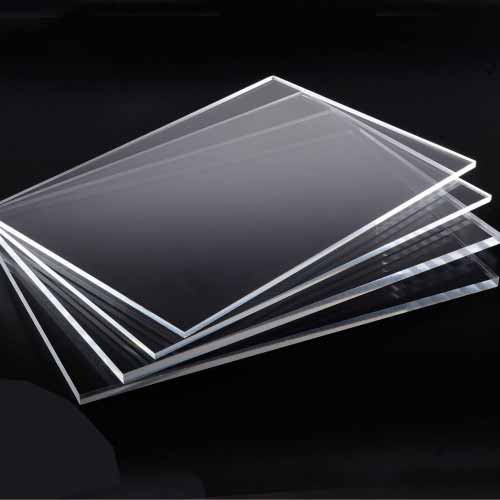
Acrylic sheets are a versatile material known for their optical clarity and
weatherability, but their true potential is unlocked when they are shaped
through bending and forming. Thermoforming is the most common technique used to
manipulate acrylic, utilizing heat to make the plastic pliable enough to mold
into specific shapes. This process allows designers and fabricators to create
complex curves, signage, and structural components that would be impossible with
flat sheets. Mastering the relationship between heat, time, and the material's
properties is essential for high-quality results.
The process of thermoforming acrylic begins with selecting the right type
of sheet, as different formulations have varying softening points. The sheet is
heated uniformly in an oven or with a strip heater until it reaches a
temperature where it becomes flexible without degrading. Precision is critical
in this stage; overheating can cause blistering or bubbles, while underheating
can lead to cracking or spring-back. Once the material is pliable, it is draped
over or clamped into a mold, where it cools and retains the new shape.
Controlled cooling is vital to prevent internal stresses that could cause
cracking later.
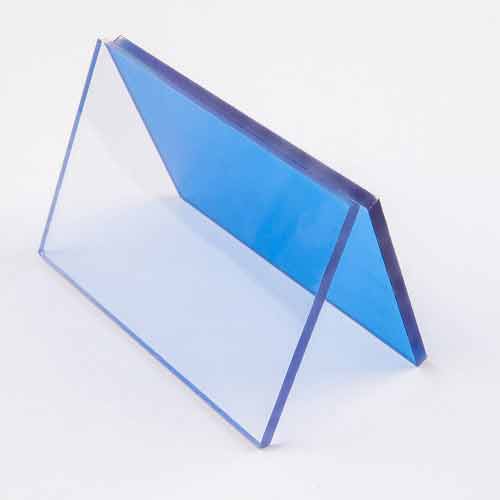
Strip bending is a specific thermoforming technique often used for creating
sharp bends in thinner acrylic sheets, such as for display cases or aquariums. A
strip heater applies heat along a narrow line, allowing the rest of the sheet to
remain rigid. This enables precise, 90-degree bends without distorting the flat
faces of the sheet. Using a jig or a bending edge helps ensure the angle is
consistent. This technique is ideal for fabricating boxes, trays, and any
application requiring clean, folded corners, offering a fast and efficient way
to form acrylic without complex molds.
Design applications for bent acrylic are vast, ranging from architectural
features to point-of-purchase displays. In architecture, curved acrylic is used
for canopies, skylights, and decorative partitions, offering a modern aesthetic
with high light transmission. In the retail sector, thermoformed acrylic creates
eye-catching signage and product displays that stand out. The material's ability
to be formed into complex 3D shapes allows designers to push creative
boundaries. Additionally, because thermoforming does not require the high
tooling costs of injection molding, it is a cost-effective solution for both
prototypes and medium production runs.
In conclusion, acrylic sheet bending and forming through thermoforming is a
powerful technique that expands the material's utility. By understanding the
specific heating requirements and employing methods like strip bending,
fabricators can produce durable, clear, and structurally sound components.
Whether for architectural innovation or retail design, thermoformed acrylic
offers a blend of functionality and aesthetics that few other materials can
match. As thermoforming technology advances, the possibilities for creative
design applications with acrylic continue to grow.
Previous article:
Acrylic Sheet Recycling: Sustainability Programs and Environmental Impact Reduction
Next article:
UV-Resistant Acrylic Sheets: Outdoor Applications and Weather Degradation Prevention