Clarity Meets Durability in Modern Acrylic Panels
Release time:2026-01-30 Click:17
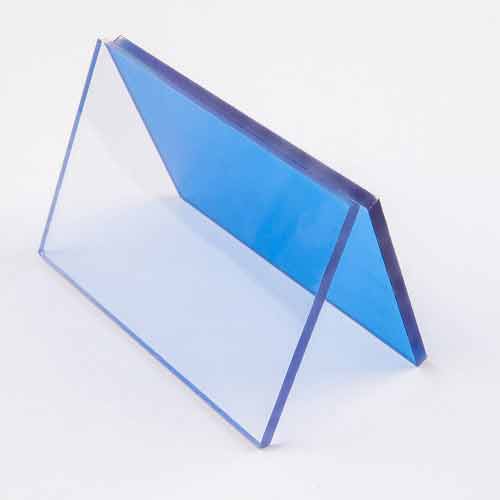
Offering a compelling alternative to glass, acrylic panels have revolutionized architectural glazing, signage, and protective barriers by combining optical clarity with remarkable impact resistance and lightweight versatility. Chemically known as polymethyl methacrylate (PMMA), this thermoplastic transmits up to 92% of visible light—surpassing standard glass—while weighing half as much and resisting shattering upon impact.
Manufactured through cell-cast or extrusion processes, high-quality acrylic panels exhibit excellent dimensional stability, UV resistance (when treated), and ease of fabrication. They can be thermoformed into curves, laser-cut into intricate shapes, or bonded seamlessly with solvent cements—making them ideal for skylights, retail displays, museum cases, and even hurricane-resistant windows in coastal zones.
Unlike glass, acrylic panels do not splinter, making them safer for public spaces such as schools, hospitals, and transit hubs. Their insulating properties are also superior—providing up to 20% better thermal resistance than single-pane glass—reducing energy costs in buildings. Tinted, frosted, or mirrored variants offer privacy and aesthetic control without sacrificing light transmission.
Maintenance is straightforward: a soft cloth and mild soap suffice, as acrylic resists yellowing and clouding for decades when properly formulated. However, it is softer than glass and can scratch if mishandled—though scratches can often be polished out.
Acrylic panels prove that transparency need not come at the cost of safety or sustainability—offering a resilient, adaptable window into modern design.
Previous article:Crystal Clear Extruded Acrylic Sheets for Visual Excellence
Next article:Impact-Strength High-Quality Acrylic Sheets
Hot products
Mobile: +86 15369215227
Email:metalproducts2022@163.com
Email:1626757181@qq.com