Achieving Optical Clarity and Durability with Cast Acrylic Panels
Release time:2026-02-11 Click:6
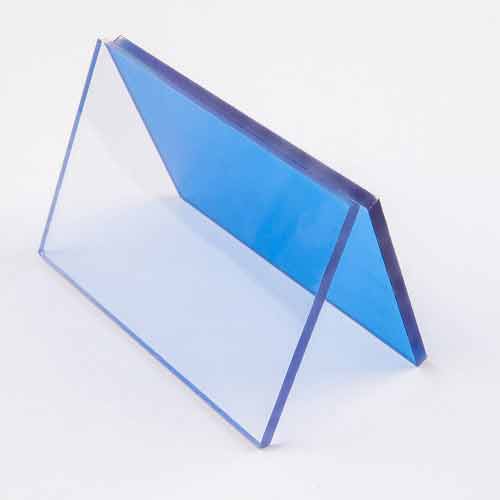
In modern architecture and interior design, the demand for materials that combine transparency with impact resistance has led to the widespread adoption of acrylic panels. Often referred to by the trade name Plexiglass, these sheets are made from polymethyl methacrylate (PMMA) and offer a lightweight alternative to glass. The acrylic panels provide up to 92% light transmission, surpassing standard glass, while being significantly lighter and shatter-resistant. This makes them ideal for skylights, protective barriers, and display cases where safety and visibility are paramount.
The manufacturing process of acrylic panels determines their quality and performance. Cast acrylic is produced by pouring the monomer into a mold, resulting in a sheet with superior optical clarity and chemical resistance. Extruded acrylic, while cheaper, is more prone to warping. The acrylic panels used in outdoor signage and aquariums are typically cast to ensure they do not yellow or become brittle under UV exposure. Furthermore, modern production techniques allow for the creation of colored and textured acrylic panels, expanding their use in artistic installations and furniture design.
One of the most compelling advantages of acrylic panels is their thermoplasticity. When heated, the material becomes malleable, allowing it to be molded into complex shapes such as curved windows, domes, and custom furniture components. This flexibility in fabrication is something that traditional glass cannot match without expensive grinding and tempering processes. A acrylic panels structure can be cold-formed as well, making it a favorite material for DIY projects and rapid prototyping. The ability to be laser-cut with high precision also allows for intricate designs in signage and decorative screens.
Durability is a key factor in the selection of acrylic panels. Unlike glass, which can shatter into dangerous shards, acrylic is ductile and will typically crack or chip rather than break completely. This property makes it a safer option for high-traffic areas, schools, and hospitals. Additionally, acrylic panels are resistant to many chemicals, including weak acids and alkalis, making them suitable for laboratory fume hoods and chemical storage covers. However, they are susceptible to scratching, so hard-coated acrylic panels are often specified for surfaces that will experience abrasion.
As sustainability becomes a focus in construction, the recyclability of acrylic panels is gaining attention. While not biodegradable, PMMA can be fully recycled and re-polymerized into new sheets, reducing the environmental impact compared to single-use plastics. Innovations in bio-based acrylics are also emerging, derived from renewable sources rather than petroleum. The acrylic panels of the future will likely incorporate self-cleaning nanocoatings and improved thermal insulation properties, solidifying their role as a versatile, high-performance material in green building design.
Previous article:The Ultimate Guide to Choosing the Right Acrylic Mirror Sheets
Next article:Advertising Acrylic Sheets: The Perfect Medium for Creative Displays
Hot products
Mobile: +86 15369215227
Email:metalproducts2022@163.com
Email:1626757181@qq.com