The Versatility of Clear Acrylic in Modern Design
Release time:2026-02-13 Click:10
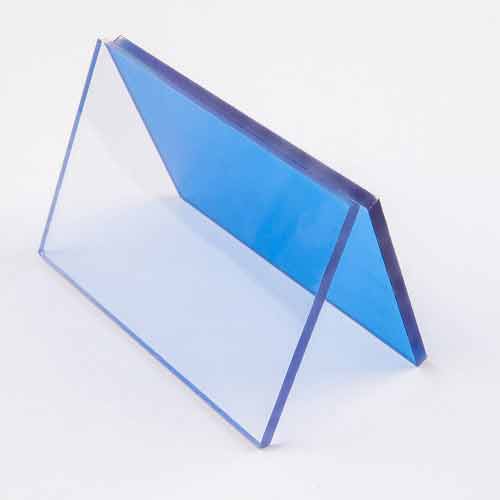
Clear acrylic, a thermoplastic polymer known for its optical clarity and impact resistance, has revolutionized design by offering a lightweight, shatterproof alternative to glass. With 92% light transmittance (surpassing glass) and 17 times the impact strength, it bends, polishes, and thermoforms into complex shapes, making it a favorite in architecture, art, and consumer goods. From museum displays to hurricane-resistant windows, its blend of beauty and durability redefines what transparent materials can achieve.
The properties of clear acrylic stem from its molecular structure, which allows it to be molded at high temperatures (160–200°C) without losing clarity. It is available in sheets, rods, and tubes, with thicknesses from 1mm (for signage) to 100mm (for aquariums). Surface treatments like anti-glare coatings enhance readability, while UV-resistant grades prevent yellowing in outdoor applications. Unlike glass, it does not shatter into sharp shards, making it safer for high-traffic areas.
Applications of clear acrylic are limited only by imagination. Architects use it for skylights, balustrades, and noise barriers, leveraging its transparency to blur indoor-outdoor boundaries. Artists craft sculptures and furniture that appear to float, while retailers use it for display cases that highlight products without distraction. In medicine, it forms dental prosthetics and surgical implants, and in aerospace, it serves as aircraft windows.
Advantages of clear acrylic include its light weight (half the density of glass), ease of fabrication, and design flexibility. It can be laser-cut, engraved, or bonded to create intricate patterns, and its low thermal conductivity makes it energy-efficient for windows. For DIY projects, it is available at hardware stores, and its repairability (scratches can be buffed out) adds to its appeal.
Maintenance of clear acrylic requires gentle care. Clean with a soft cloth and mild soap to avoid scratching; ammonia-based cleaners damage the surface. Store flat to prevent warping, and use edge protectors during transport. For outdoor use, apply a UV protectant annually to slow yellowing. If cracked, it can be welded with acrylic cement for small repairs.
In summary, clear acrylic is a material of endless possibilities, merging the elegance of glass with the resilience of plastic. Its ability to enhance both form and function ensures its place in innovative design for decades to come.
Previous article:Advertising Acrylic Sheets: The Perfect Medium for Creative Displays
Next article:High-Performance Architectural Glazing Acrylic in Commercial Projects
Hot products
Mobile: +86 15369215227
Email:metalproducts2022@163.com
Email:1626757181@qq.com