Crystal-Clear Solutions with Transparent Acrylic Sheets in Architectural and Display Applications
Release time:2026-02-25 Click:14
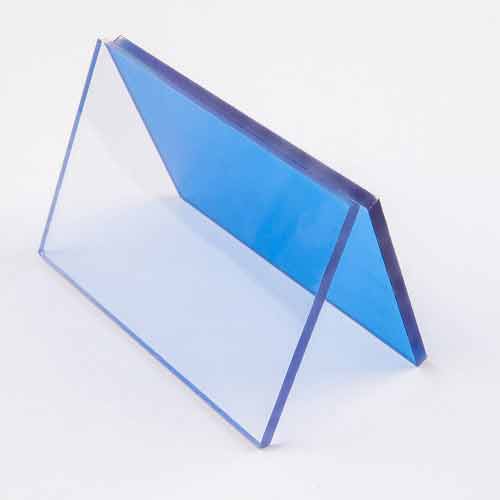
Transparent acrylic sheets have revolutionized modern architectural design and retail display solutions by offering an exceptional combination of optical clarity, durability, and design flexibility. Unlike glass, acrylic provides a material that weighs approximately half as much while offering impact resistance up to seventeen times greater, making it the preferred choice for applications where safety and installation convenience are paramount. The optical properties of premium acrylic sheets allow for light transmission rates exceeding ninety percent across the visible spectrum, with minimal yellowing or loss of clarity even after years of exposure to ultraviolet radiation. This performance profile makes transparent acrylic sheets ideal for skylights, window glazing, and protective barriers where unobstructed vision and natural illumination are design priorities.
The versatility of transparent acrylic extends to its fabrication characteristics, enabling designers and fabricators to transform flat sheets into complex three-dimensional forms through processes such as thermoforming, laser cutting, and precision machining. Thermoforming involves heating the acrylic to a specific temperature range where it becomes pliable, then shaping it over molds or around formers to create curved panels, signage, and display fixtures with seamless surfaces. Laser cutting technology allows for intricate patterns and detailed edge finishes that would be impossible to achieve with conventional cutting tools, while maintaining the structural integrity of the surrounding material. These fabrication capabilities have made transparent acrylic sheets indispensable in the creation of retail displays, museum cases, and architectural features that require both visual appeal and structural performance.
Environmental considerations have driven significant innovation in acrylic sheet manufacturing and recycling processes. Modern production methods employ energy-efficient extrusion and casting techniques that minimize waste and reduce the carbon footprint compared to earlier manufacturing approaches. The durability of acrylic sheets contributes to their environmental credentials by reducing replacement frequency and the associated consumption of raw materials. Additionally, recycling programs for acrylic waste have matured significantly, with chemical processes capable of depolymerizing scrap acrylic back to its constituent monomer for re-polymerization into new sheet products. This closed-loop approach addresses concerns about plastic waste while ensuring that the beneficial properties of transparent acrylic remain available for future applications in architecture, design, and industry.
Previous article:The Many Uses of White Acrylic Sheets
Next article:Combining Transparency and Durability with Lightweight acrylic plate
Hot products
Mobile: +86 15369215227
Email:metalproducts2022@163.com
Email:1626757181@qq.com