Clear Cast Acrylic Sheets – Perfect Replacement for Glass Panels
Release time:2026-03-01 Click:13
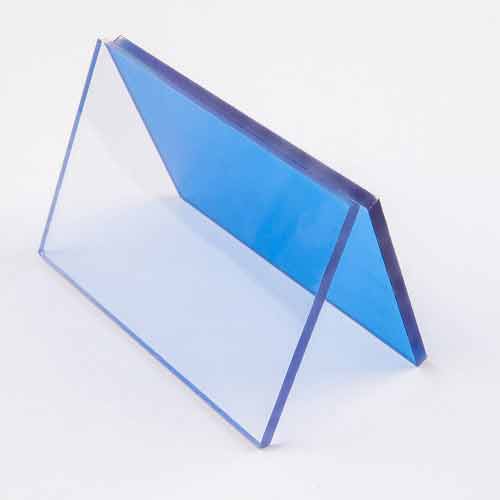
Clear cast acrylic sheets have established themselves as compelling alternatives to traditional glass panels across a wide spectrum of architectural, commercial, and residential applications. The material offers a remarkable combination of optical clarity, impact resistance, and fabrication flexibility that addresses many of the limitations associated with glass while providing additional functional benefits that expand design possibilities. Understanding the comparative advantages of acrylic versus glass enables architects, designers, and specifiers to make informed material selection decisions that optimize project outcomes.
Optical clarity represents one of acrylic's most impressive characteristics, with high-quality cast acrylic sheets transmitting up to ninety-two percent of visible light compared to approximately eighty-eight percent for standard glass. This superior light transmission creates brighter interior spaces when acrylic is used in windows, skylights, or daylighting applications. The material also maintains its clarity over time without the gradual greenish tint that develops in thick glass panels as iron impurities react with solar radiation. Cast acrylic sheets can be produced in exceptional thicknesses while retaining excellent optical properties, enabling applications where glass would become prohibitively expensive or structurally impractical.
Impact resistance distinguishes acrylic dramatically from glass in safety-critical applications. Cast acrylic sheets demonstrate impact resistance approximately seventeen times greater than glass of equivalent thickness, meaning that acrylic panels can withstand impacts that would shatter glass into dangerous fragments. This characteristic makes acrylic particularly valuable in applications where human contact is likely, including shower enclosures, balustrades, display cases, and protective barriers. The enhanced impact resistance also reduces the risk of breakage during handling, transportation, and installation, lowering material loss rates and associated project costs.
Fabrication versatility opens design possibilities that would be difficult or impossible to achieve with glass materials. Acrylic sheets can be cut, drilled, bent, and shaped using standard woodworking tools and techniques, allowing fabricators to create complex geometries without specialized equipment. Thermoforming processes enable the production of curved panels and three-dimensional shapes that add visual interest to architectural installations. Edge finishing can be accomplished through various polishing techniques that produce transparent, frosted, or decorative edge appearances depending on design requirements.
UV resistance has become a standard performance characteristic of quality architectural acrylic sheets designed for exterior applications. Advanced UV-stabilized formulations prevent the yellowing and embrittlement that plagued early acrylic products, ensuring that panels maintain their clarity and mechanical properties after decades of sun exposure. Some products incorporate UV-absorbing additives that block harmful ultraviolet radiation while allowing visible light transmission, creating opportunities for protective glazing applications in museums, galleries, and other environments where light-sensitive materials are displayed.
Weight advantages support installation efficiency and structural design flexibility in acrylic sheet applications. Cast acrylic weighs approximately half as much as glass of equivalent dimensions, reducing the load on supporting structures and enabling larger panel sizes without exceeding practical weight limits. The reduced weight simplifies handling during installation, often allowing smaller crews and lighter equipment to accomplish tasks that would require more substantial resources with glass panels. This weight advantage also translates to lower shipping costs and reduced environmental impact associated with material transportation.
Cleaning and maintenance requirements for cast acrylic sheets differ from glass but are generally manageable with proper care and appropriate cleaning products. The material's slightly softer surface requires cleaning with non-abrasive cloths and mild detergents to prevent scratching. Static attraction of dust and lint can be reduced through anti-static treatments that also facilitate easier cleaning over time. When compared to glass, acrylic may show scratches more readily but can also be repaired through polishing techniques that would be impossible with glass, extending the useful service life of installations that experience wear over time.
Previous article:The Applications of Acrylic Sheets 4 x 8
Next article:The Modern Appeal of Acrylic Shelves
Hot products
Mobile: +86 15369215227
Email:metalproducts2022@163.com
Email:1626757181@qq.com