Lighter Than Glass, Stronger Than Expected – Transparent Acrylic Sheets
Release time:2026-03-03 Click:14
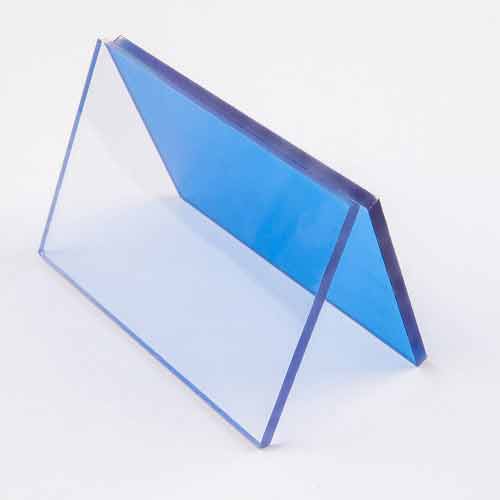
Transparent acrylic sheets have revolutionized modern architecture and design by offering a lightweight alternative to traditional glass while maintaining exceptional optical clarity and impact resistance. These advanced polymer sheets, also known as polymethyl methacrylate (PMMA), demonstrate remarkable strength-to-weight ratios that make them suitable for applications where traditional glass would be impractical or unsafe. The material's crystal-clear transparency allows for up to 92% light transmission, comparable to premium glass, while weighing only half as much. This combination of properties has made acrylic sheets indispensable in contemporary construction, automotive, and display industries.
The manufacturing process of acrylic sheets involves polymerizing methyl methacrylate monomer under controlled temperature and pressure conditions to create a uniform, bubble-free material. The sheets can be produced in various thicknesses ranging from 1mm to 50mm, with standard sizes including 48" x 96" and 72" x 120" sheets for commercial applications. Extruded acrylic sheets offer excellent dimensional stability and resistance to scratching, while cast acrylic sheets provide superior optical quality and chemical resistance. Advanced manufacturing techniques include UV-stable formulations that prevent yellowing over time and impact-modified versions that enhance durability for demanding applications.
Applications of transparent acrylic sheets span numerous industries and use cases. In architecture, they serve as skylights, window panels, and structural glazing systems, providing natural lighting while offering superior impact resistance compared to glass. The automotive industry uses acrylic sheets for headlights, instrument panels, and transparent trim elements. Retail and exhibition designers utilize acrylic for display cases, signage, and protective barriers. Medical facilities employ acrylic sheets for equipment enclosures and protective shielding. In marine applications, acrylic sheets replace glass portholes and deck enclosures due to their lighter weight and resistance to saltwater corrosion.
The advantages of acrylic sheets extend beyond basic transparency to include superior durability and versatility compared to traditional materials. The material exhibits excellent weather resistance, maintaining clarity and structural integrity even after prolonged exposure to UV radiation and temperature variations. Acrylic sheets can be easily fabricated using standard tools, including cutting, drilling, and thermoforming techniques, allowing for custom shapes and installations. The material's inherent flexibility, when heated, enables complex curved installations that would be impossible with rigid glass. Additionally, acrylic sheets offer better insulation properties than glass, contributing to energy efficiency in building applications. Maintenance is straightforward, typically requiring only regular cleaning with mild soap solutions to maintain optical clarity.
Previous article:The Modern Appeal of Acrylic Shelves
Next article:Designing Dramatic Interiors with Acrylic Sheets Black
Hot products
Mobile: +86 15369215227
Email:metalproducts2022@163.com
Email:1626757181@qq.com