What Are Plexiglass and Acrylic?
Release time:2025-09-04 Click:35
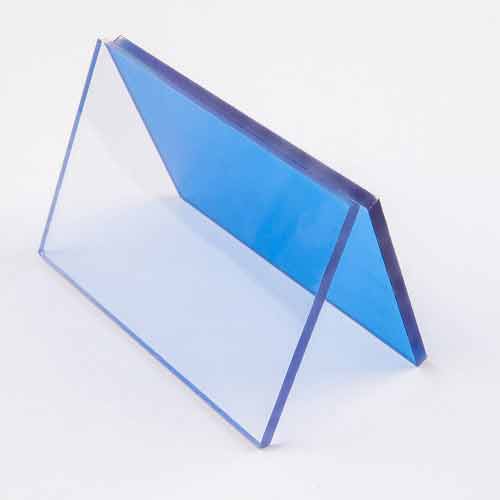
Acrylic, known scientifically as polymethyl methacrylate (PMMA), is a transparent thermoplastic often used as a lightweight or shatter-resistant alternative to glass. It is the material behind popular brand names like Plexiglas, Perspex, and Lucite. On the other hand, plexiglass is essentially an acrylic plastic sheet and a commonly used trade name deriving from the material's origins. The key difference often boils down to branding rather than composition, as plexiglass sheets are made from acrylic.
Core Differences
Despite their chemical similarity, the differences between plexiglass and acrylic often pertain to specifics like production processes, branding, and applications.
Manufacturing Process
Both plexiglass and acrylic are derived from the same base polymer, PMMA. However, there can be variations in the production process that yield differences in performance and characteristics. Acrylic sheets can be produced through two primary methods: extrusion and cell-casting.
Extruded Sheets: Typically less expensive, extruded acrylic is made by pushing the resin through rollers. While more cost-effective, the resulting sheet is softer and more prone to scratching compared to cast acrylic.
Cell-cast Sheets (Plexiglass): Produced by pouring the material into molds. This method creates a more robust and durable sheet, suitable for applications where quality is paramount. Plexiglass is often made using cell casting, which some argue enhances its optical clarity and resistance to solvents and chemicals.
Previous article:Step-by-Step Guide to Removing the Protective Film Acrylic
Next article:Applications of Colored ABS Plastic Sheets
Hot products
Mobile: +86 15369215227
Email:metalproducts2022@163.com
Email:1626757181@qq.com