Product details description
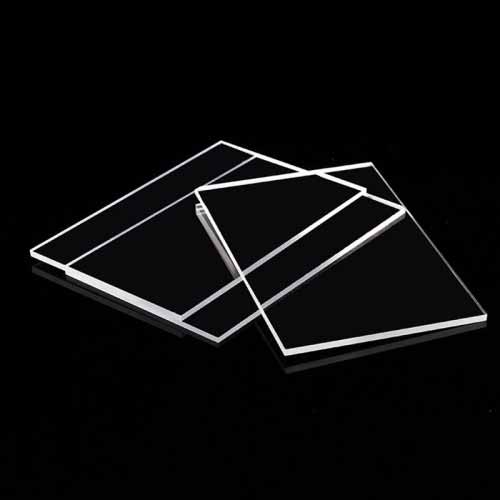
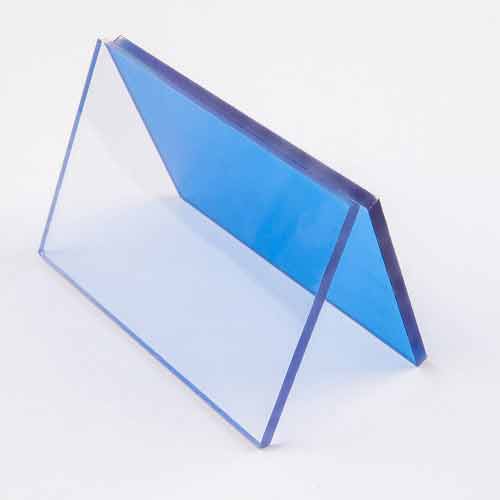
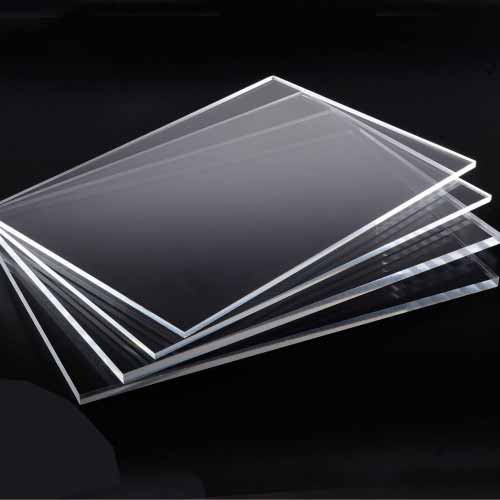
Polishing acrylic sheets to a high gloss enhances their aesthetic appeal,
clarity, and versatility, making them ideal for signage, displays, furniture,
and decorative applications. Acrylic (PMMA) is a durable, lightweight
alternative to glass, but it is prone to scratches and dullness—proper polishing
restores its transparency and creates a mirror-like finish. The polishing
process involves progressive sanding and buffing, requiring patience and the
right tools to achieve a flawless result.
Start with surface preparation and sanding to remove imperfections. Begin
by cleaning the acrylic sheet with a mild soap and water solution to remove
dust, dirt, or debris—avoid using alcohol or ammonia, which can damage the
surface. For light scratches, use 600-grit sandpaper; for deeper scratches,
start with 400-grit and progress to finer grits. Sand the surface in a circular
motion, applying gentle, even pressure—this prevents uneven sanding and
minimizes new scratches. After sanding with each grit, wipe the sheet with a
lint-free cloth to remove sanding dust. Progress to 800-grit, then 1200-grit
sandpaper, ensuring each grit smooths the scratches left by the previous one.
For an ultra-smooth base, finish with 2000-grit sandpaper—this step is critical
for achieving a high-gloss finish.
Complete the polishing process with buffing and finishing. Use a rotary
buffer or orbital sander with a soft foam pad (wool or microfiber) designed for
acrylic. Apply a small amount of acrylic polish or compound (avoid abrasive
metal polishes) to the pad. Buff the sheet in a slow, circular motion,
overlapping passes to ensure even coverage. Apply light pressure—too much
pressure can generate heat, which may warp or damage the acrylic. Continue
buffing until the surface develops a high gloss, periodically wiping the sheet
with a clean, lint-free cloth to check progress. For a final touch, use a
plastic cleaner or polish to remove any remaining haze and enhance shine. Allow
the acrylic sheet to dry completely before handling or installing. To maintain
the high-gloss finish, avoid abrasive cleaners and use a soft cloth for
cleaning. With proper technique, acrylic sheets can be polished to a flawless,
mirror-like gloss that rivals glass while retaining their lightweight and
shatter-resistant benefits.
Previous article:
Acrylic Sheet Thickness Standards: Standard Dimensions and Custom Sizing Options
Next article:
Acrylic Sheet for Laser Cutting - Clean Edges & Smooth Finish